A Berber wedding in Morocco is a fascinating experience; its rituals carry the full
weight of this ancient desert civilization.
From Marrakech to the desert: a journey through the beauty of the landscape
and the richness of the traditions.
Marriage in Morocco is celebrated according to ancestral rites and customs,
respecting Moroccan traditions and the precepts of Islam. The beauty and
purity of the bride and the union of the two families are celebrated during
various wedding rites. s. It has many variations and can take place over three days
or even a week, depending on the social position and wealth of the families.
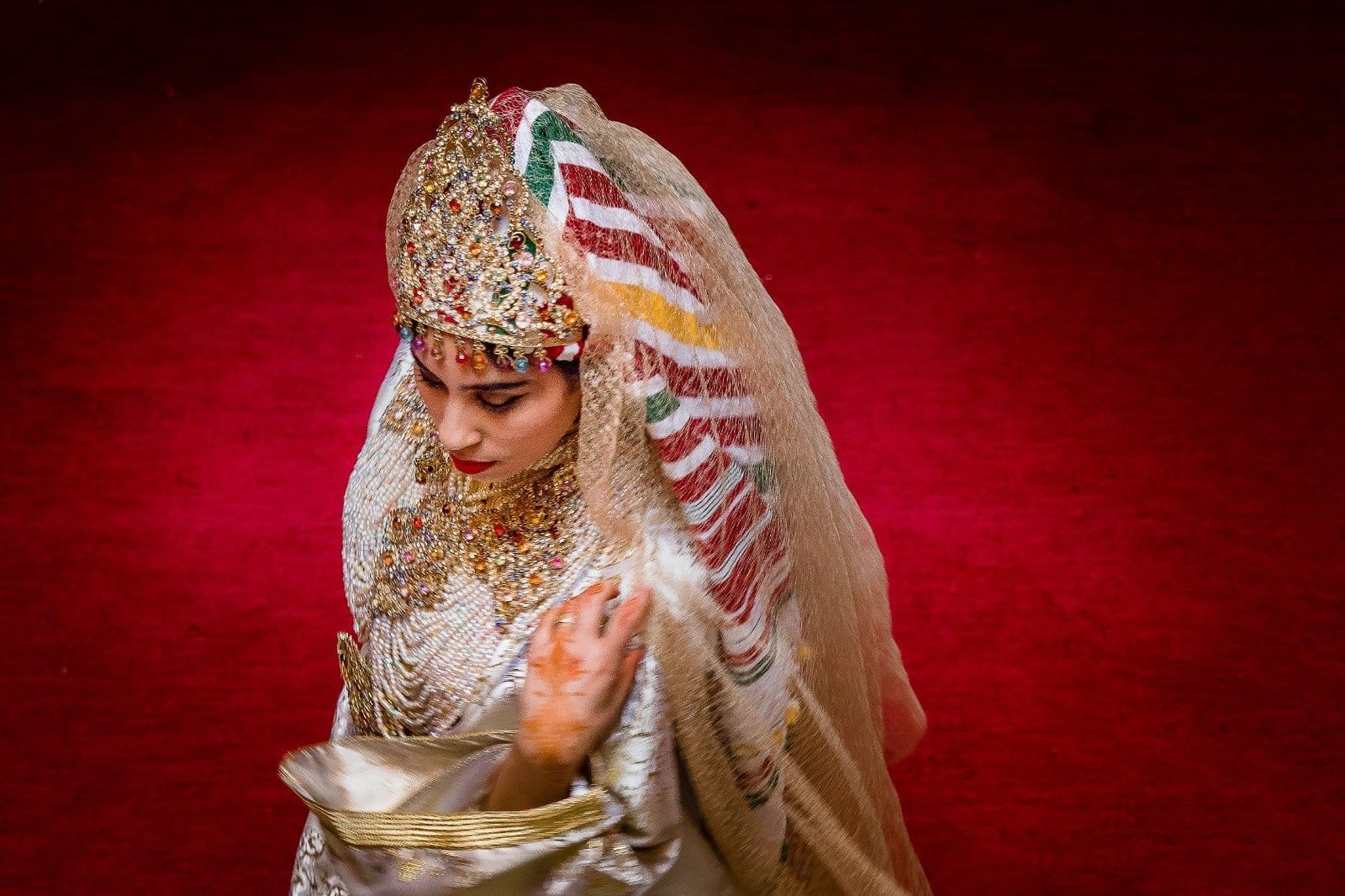
It is traditional for the bride to wear up to seven different outfits, representing
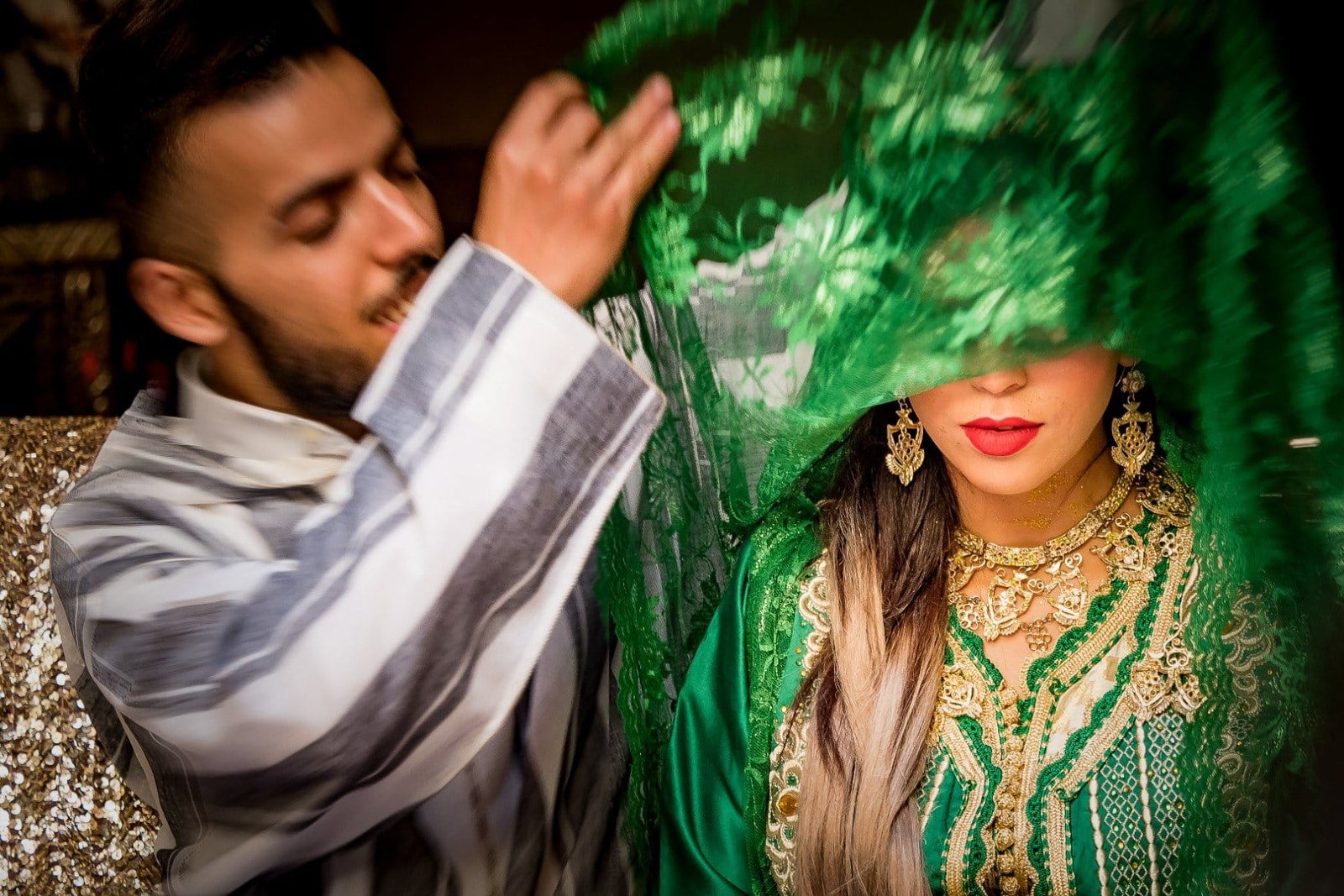
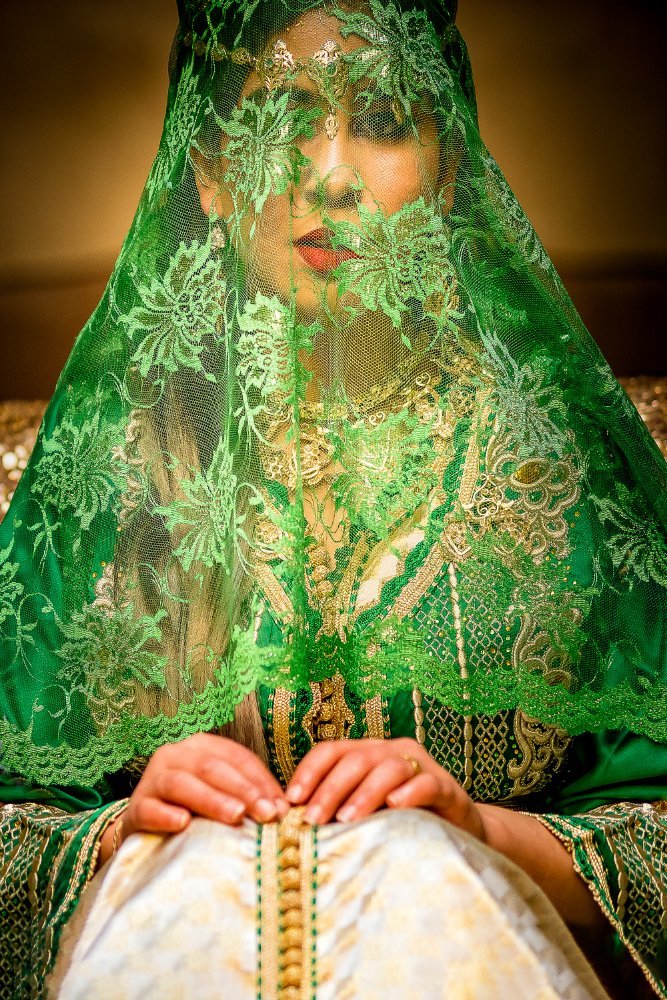
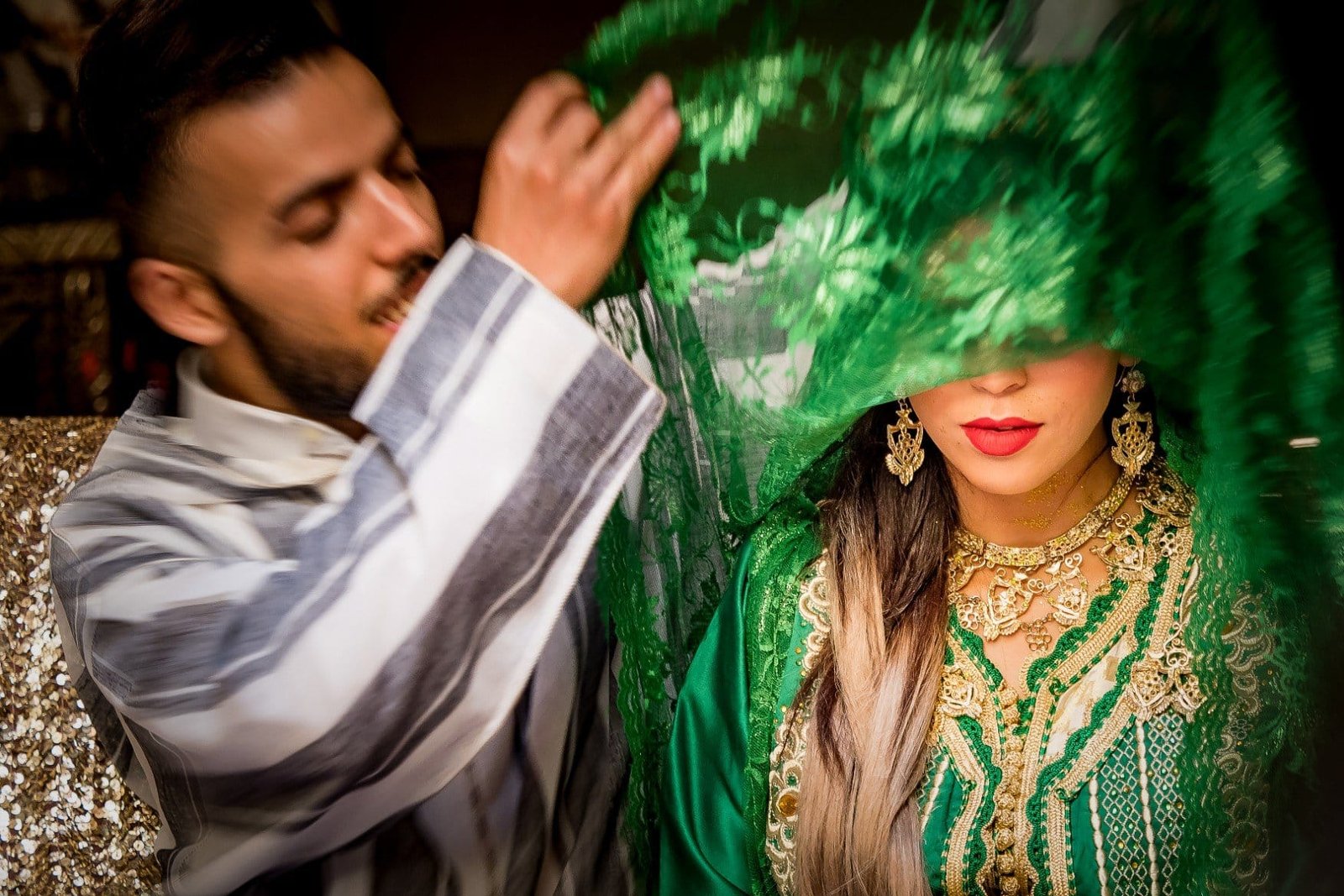
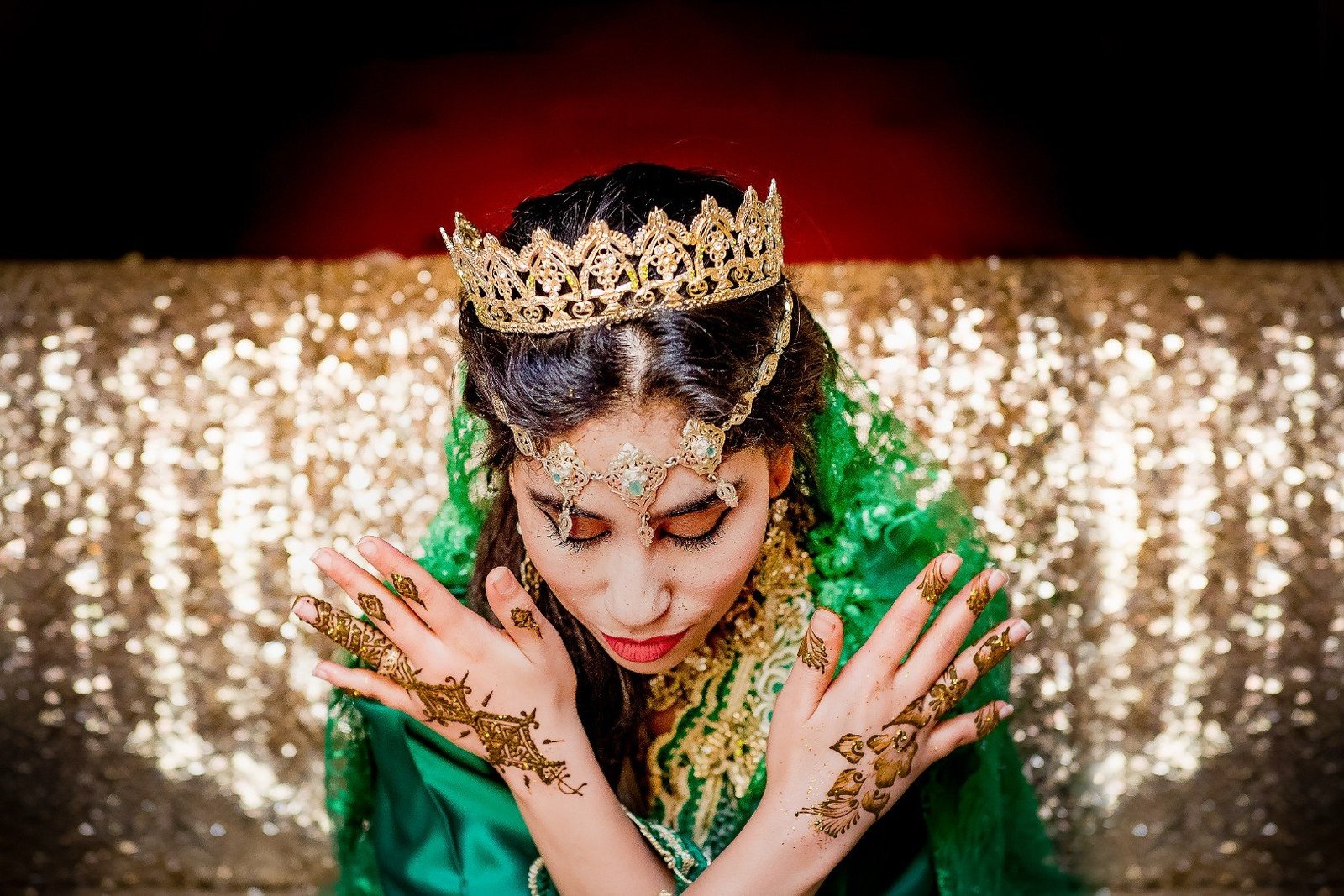
the seven regions of Morocco: the green and gold caftan for the henna
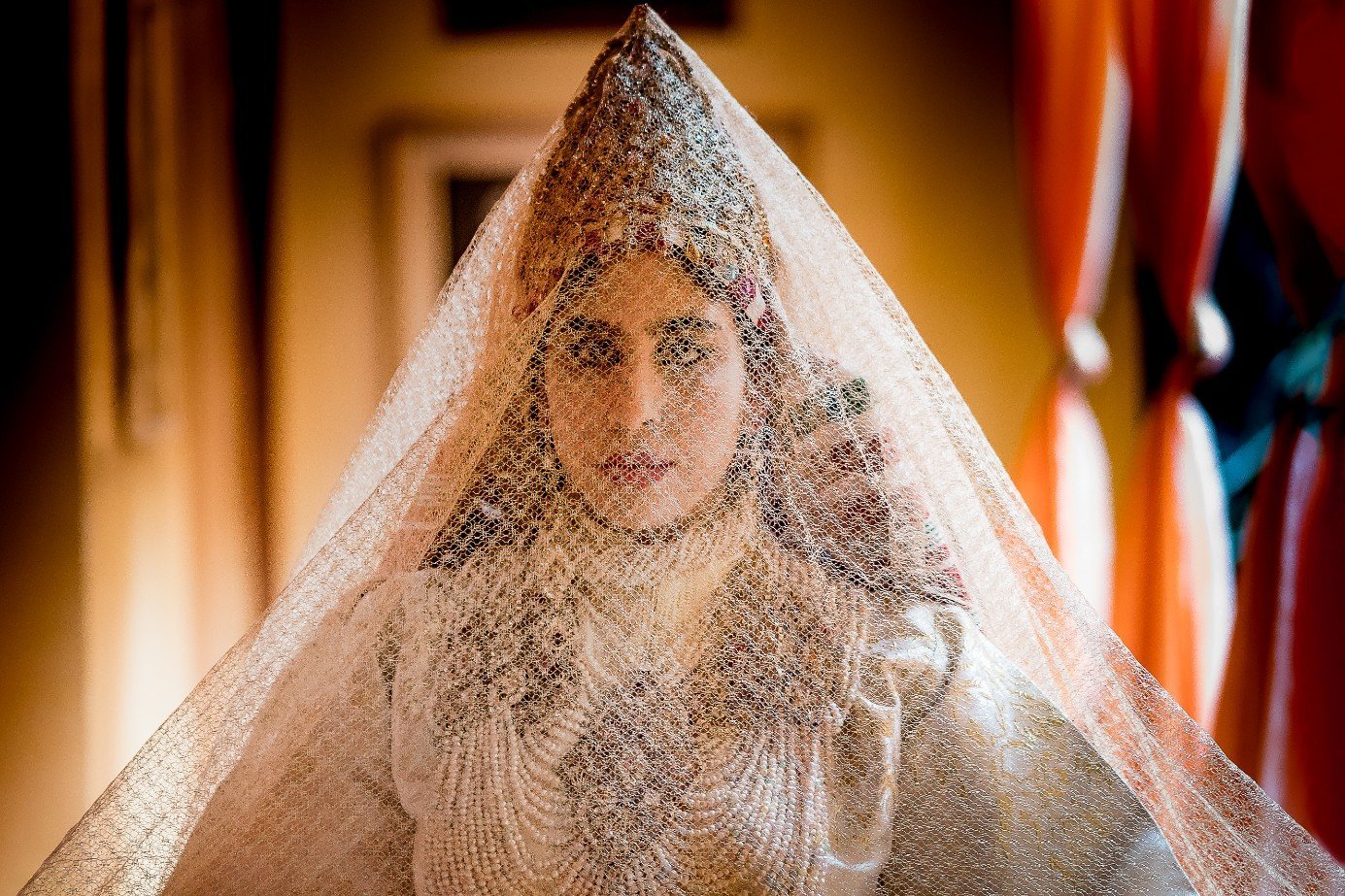
ceremony; the white Takeshita symbolizing purity; The Fassiya from Fez; The
R'batia from Rabat, often in blue; the Moroccan Sahara; the Soussia, Berber
costume from Souss; and the Mejdoub, or what they call the golden caftan.
The preparations are taken care of by Negafa, a kind of Moroccan "wedding
planner": she, will make sure that traditions are respected: she will help the
bride with the choice of clothes and dressing; she will take care of the choice of
the dominant colors of the party room; she will facilitate the choice of the
throne on which the bride and groom will sit.
Engagement is an integral part of wedding preparations: it begins once the
bride-to-be's parents have given their consent to the marriage.
During the Khotba period, which ends with the payment of the bride's dowry.
The groom covers his future wife with gifts, mainly jewelry and clothes. The
payment of the dowry marks the end of the engagement and the beginning of
the wedding festivities.
The first ceremony is "the Kaghet": it is the ceremony that seals the life of the
bride and groom-to-be. In the presence of a select committee consisting of the
closest relatives, the bride and groom sign the marriage certificate in the
presence of an Adel or Adoul, the notary public under Muslim law.
The hammam ceremony takes place a few days before D-Day. The bride-to-be,
accompanied by the women of her family and possibly her future in-laws, goes
to the hammam for the milk bath ceremony. This is a purification ritual for the
bride-to-be. A time of joy, where everyone celebrates with traditional songs and
dances.
The Henna Ceremony follows the milk bath in the hammam. Always
surrounded by her close relatives, the bride wears the green and gold caftan for
the henna ceremony. During this ritual, her hands and feet will receive the
henna tattoo: this ritual wards off the evil eye and is a wish for fertility and
marital happiness.
At the end of this ceremony, the bride goes from young to married. The ceremony
of henna is usually accompanied by a dinner during which the in-laws
they offer gifts to the bride. This is the Hdiyya.
The real wedding, in Morocco, usually starts early in the evening, around 9pm. Yes
they serve mint tea and cakes. Then, the bride and groom, each with an Amariya, do the
their first appearance. While the wedding ceremony is in full
progress the bride, guarded by Negafa, will secretly go out several times to
change clothes.
After the ceremony, the two families meet at the groom's parents' house and
they share a good meal. This is the first meal for the newlyweds, like Aariss and
Aaroussa, husband and wife.
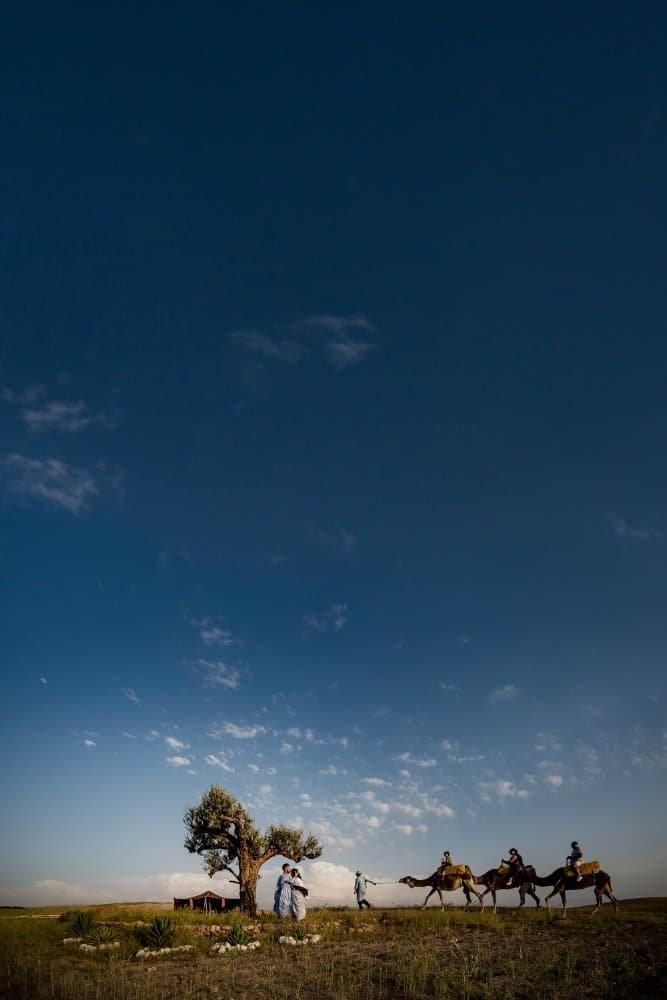
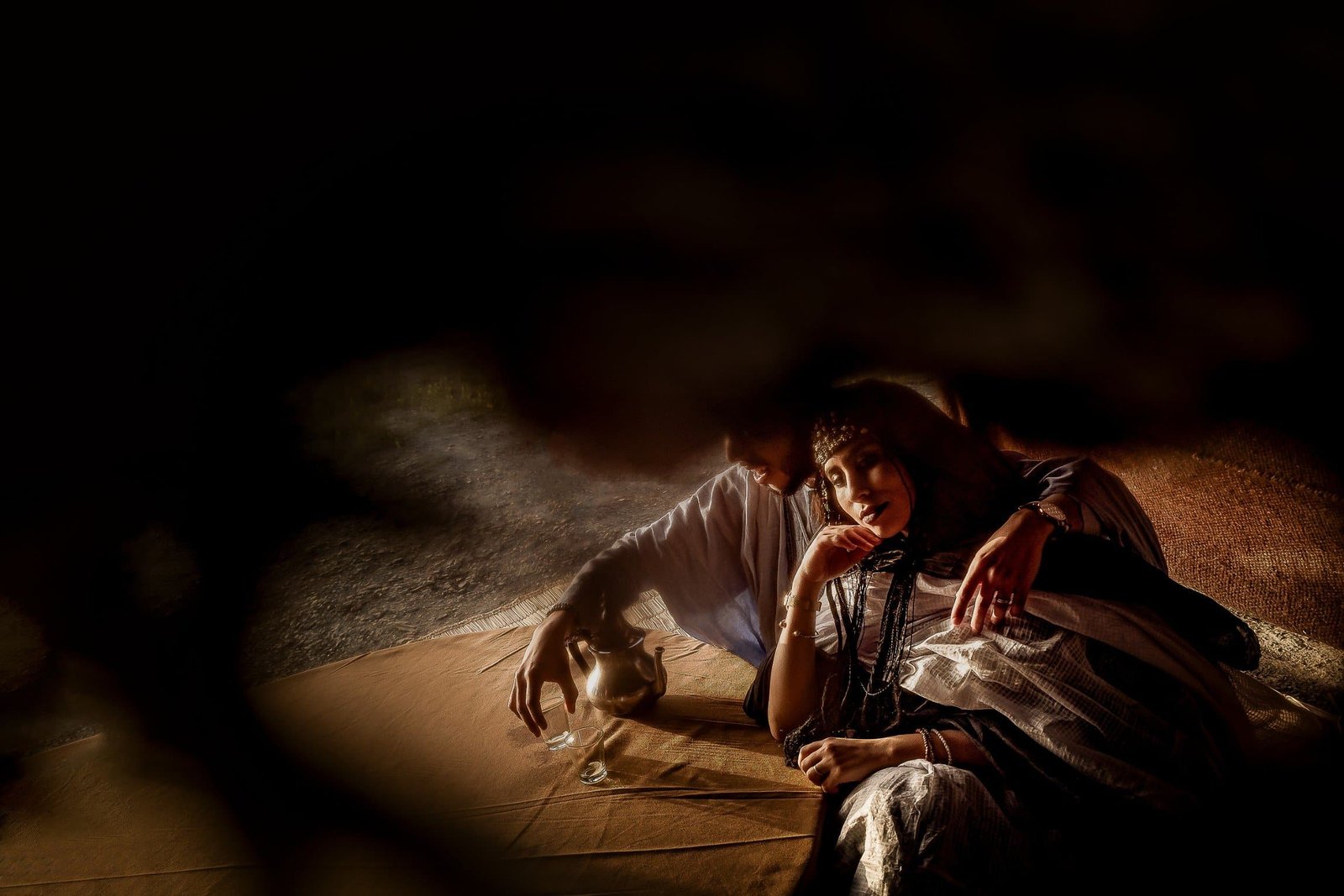
The Sahara is far away; but Faissal and Malika did not want to give up taking
their tea in the desert according to Berber rituals. The desert of Agafay, not
far from Marrakech, it does not offer the spectacle of the immense dunes but it offers
an atmosphere of peace and tranquility for our spouses.
Berber tents welcome guests
guests, creating an atmosphere of authenticity and simplicity.
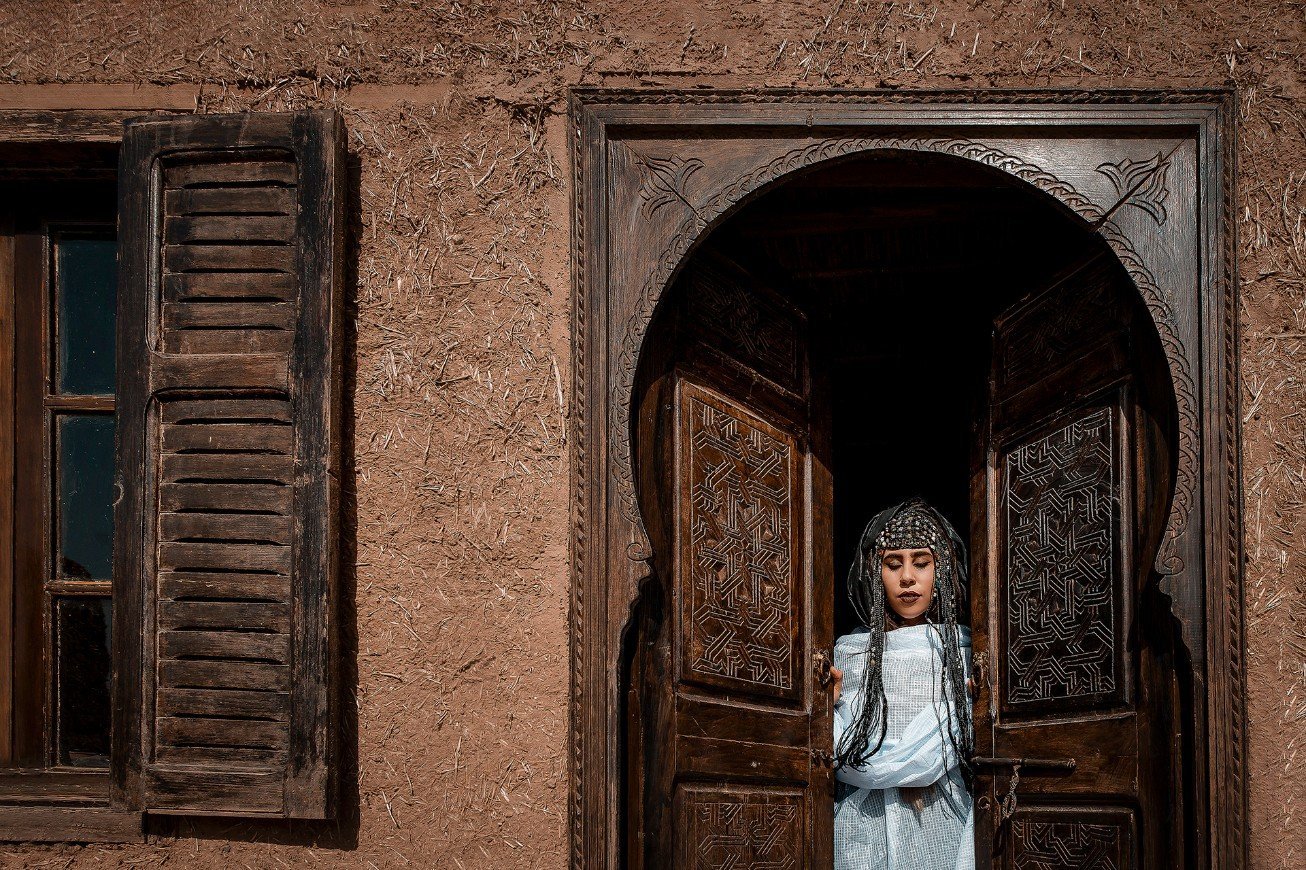
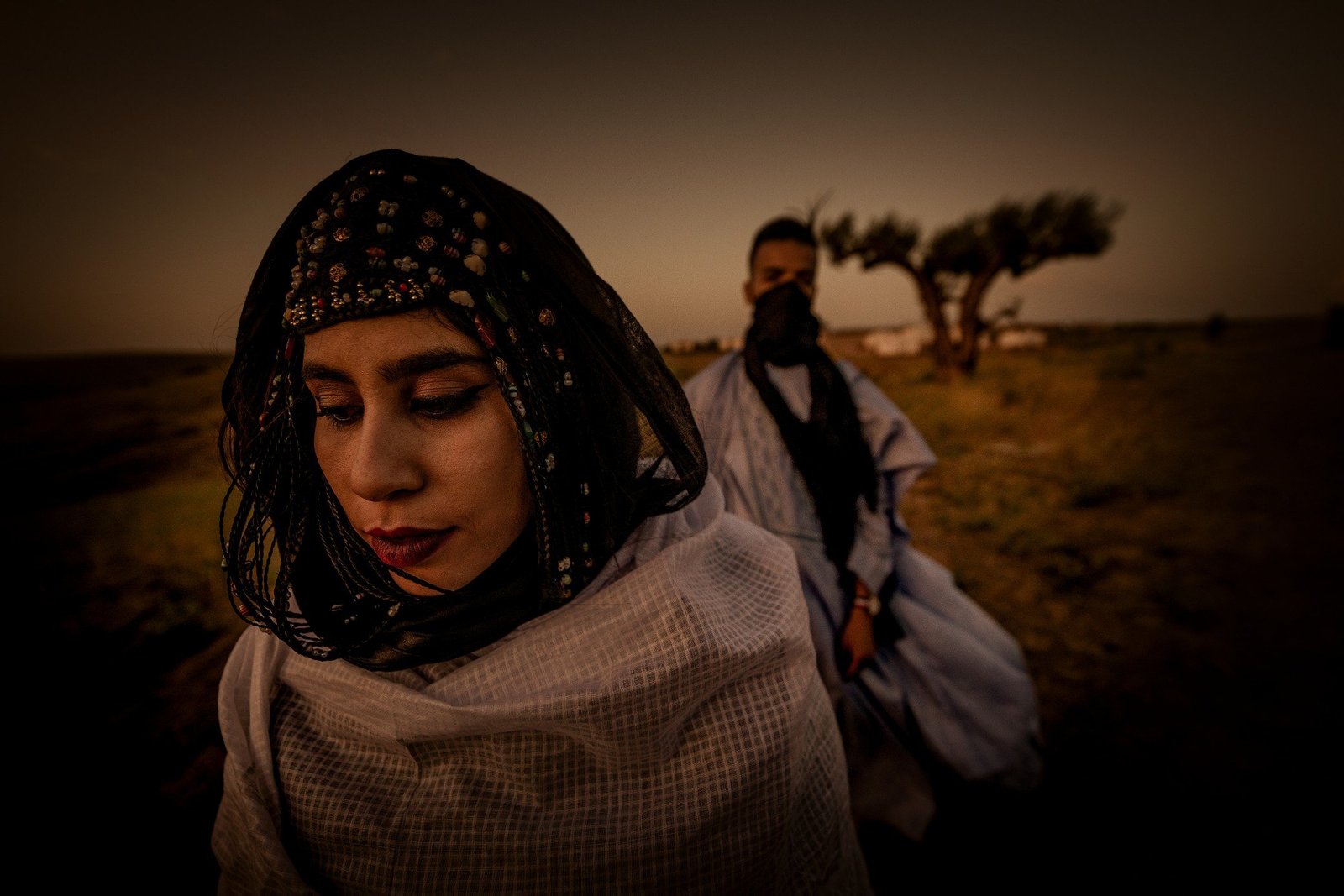
The ceremony takes place in the desert at sunset. The bride and groom are dressed
with traditional Berber clothes.
The actual Berber wedding rite is led by an elderly member
of the community, known as "Amin".
The Quran is recited and they come
exchanged wedding vows. During the ceremony, the bride and groom
they drink from the same cup to symbolize unity.
After the ceremony, guests gather for a banquet under the stars.
The food
Berber is served in abundance, with dishes such as couscous, tajine and
grilled lamb. Traditional music fills the air, and dancing and celebrations
they last until late at night. Guests are often entertained by
local dancers and musicians.
The next morning Faissal and Malika wake up early to admire the sunrise and
take a camel ride.